
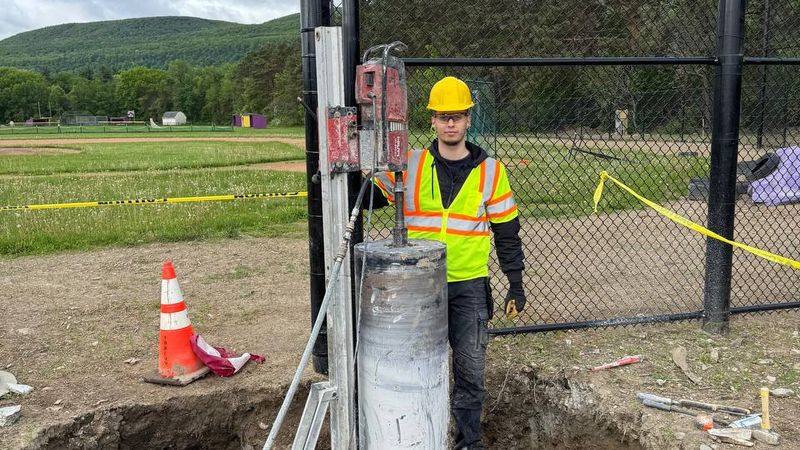
When Concrete Cutting Cannot Wait
The vast majority of concrete cutting projects are planned, scheduled, and executed during normal business hours. But some situations demand immediate action. A burst water service line flooding a Springfield basement, a collapsed sewer main under a Worcester restaurant, a gas leak requiring emergency pipe rerouting in a Pittsfield commercial building: these emergencies require concrete to be cut open now, not next Tuesday.
REDCORE Concrete Cutting & Core Drilling provides emergency response throughout Western Massachusetts because we understand that in a true emergency, every hour of delay means more damage, more cost, and more risk. This guide explains what qualifies as an emergency, how to respond effectively, and what to expect from the process.
Situations That Qualify as Emergency Concrete Cutting
Burst Water Lines Beneath Slabs
Copper water supply lines beneath concrete basement floors are susceptible to corrosion, especially in Massachusetts communities with older municipal water systems. When a supply line develops a major leak or full rupture beneath the slab, water accumulates under and around the concrete, saturating the soil, rising through cracks, and flooding the basement. The water cannot be stopped without cutting open the slab to access and repair or cap the line.
Warning signs include unexplained water on the basement floor, the sound of running water when all fixtures are off, a sudden spike in your water bill, or a continuously running water meter. If you suspect a sub-slab water leak, shut off your main water valve immediately and call your plumber. The plumber will confirm the diagnosis and call for concrete cutting to access the damaged pipe.
Sewer Line Failures
Cast iron sewer lines in homes built before the 1970s are reaching the end of their functional lifespan throughout Massachusetts. When a cast iron sewer line beneath a basement slab cracks, separates, or collapses, the result is raw sewage backing up into the basement. This is both a health hazard and a property damage emergency.
The plumber uses a camera inspection to identify the failure point, and the concrete cutting crew cuts a trench through the slab to expose the damaged section. The plumber then replaces the failed pipe, typically with PVC, and the trench is backfilled and patched. In severe cases, the entire below-slab sewer system may need replacement, requiring extensive trench cutting across the full basement floor.
Gas Line Emergencies
Although less common, gas piping issues that require rerouting through concrete walls or floors demand immediate attention due to the explosion and asphyxiation risks. If you smell gas or your gas detector alarms, evacuate the building immediately, call 911, and call your gas utility. After the utility secures the area, a licensed gas fitter may need concrete cutting to reroute or repair the piping. Massachusetts requires all gas work to be performed by a licensed gas fitter under 248 CMR.
Structural Emergencies
Foundation failures, wall collapses, or significant structural cracking may require emergency concrete cutting to install temporary supports, create access for structural repair, or remove compromised sections before further collapse occurs. These situations are rare but serious, and they typically involve immediate consultation with a structural engineer.
Post-Disaster Access
After fires, floods, or severe storms, concrete cutting may be needed to access damaged utilities, create temporary openings for restoration equipment, or remove structurally compromised concrete. Massachusetts experiences significant storm events, including nor'easters and severe winter weather, that can create these emergency conditions in communities throughout the state.
How to Respond to a Concrete Cutting Emergency
When you face a situation that requires emergency concrete cutting, follow these steps in order:
Step 1: Secure the Immediate Hazard
- Water leak: Shut off the main water valve. Know where your shutoff is located before an emergency occurs.
- Sewer backup: Stop using all plumbing fixtures. Do not flush toilets or run water.
- Gas leak: Evacuate immediately. Do not operate any electrical switches. Call 911 from outside the building.
- Structural failure: Evacuate the affected area. Do not enter areas where collapse may continue.
Step 2: Call the Primary Trade Professional
For plumbing emergencies, call your plumber. For gas issues, call the gas utility and then a licensed gas fitter. For structural problems, call a structural engineer. These professionals assess the situation, determine what concrete cutting is needed, and coordinate with the concrete cutting company.
Step 3: Document the Damage
Before any cutting or repair begins, photograph and video the damage from multiple angles. This documentation is critical for your insurance claim. Capture the water level, the affected areas, any visible pipe damage or structural cracking, and the condition of personal property. Note the date and time of discovery.
Step 4: Contact a Concrete Cutting Company
Call a concrete cutting company that offers emergency service. When you call REDCORE, provide:
- The nature of the emergency (water leak, sewer failure, gas issue, structural)
- The property address and access details
- The type of concrete (slab on grade, basement floor, foundation wall)
- The approximate scope (one hole, a trench, a wall opening)
- Whether a plumber or other tradesperson is already on site or en route
- Your contact information for coordination
Step 5: Prepare the Site
While waiting for the crew, do what you can to prepare:
- Clear the work area of furniture, storage, and personal items
- Create a clear path from the entry to the cutting location for equipment
- Ensure electrical power is available (20-amp outlet within 100 feet)
- Have a water supply available for wet cutting (garden hose connection)
- If the area is flooded, pump out standing water to expose the slab surface
Emergency Response Times
Emergency concrete cutting response times depend on crew availability, time of day, and travel distance:
- During business hours (Monday-Friday, 7 AM to 5 PM): 2 to 4 hours typical response to the Springfield/Western Massachusetts area
- After hours and weekends: 4 to 8 hours typical response, depending on crew availability
- Holidays and severe weather: Response may take longer, but REDCORE makes every effort to respond to true emergencies regardless of timing
Response time is measured from your call to the crew arriving on site with equipment ready to cut. Actual cutting begins within 15 to 30 minutes of arrival, depending on the setup required.
Need this done professionally?
REDCORE provides free, no-obligation estimates. Same-day service available.
Get Free Estimate →Or call: +1 (413) 666-2026Emergency Pricing
Emergency concrete cutting carries a premium over scheduled work. This reflects the disruption to other scheduled jobs, after-hours labor, and expedited mobilization. Typical emergency premiums:
- Business hours emergency: 25 to 50 percent above standard rates
- After-hours and weekend: 50 to 75 percent above standard rates
- Holiday response: 75 to 100 percent above standard rates
While these premiums may seem steep, consider the alternative. A burst water line flooding your basement at a rate of several gallons per minute causes thousands of dollars in damage per hour: saturated insulation, destroyed drywall, ruined flooring, damaged furniture, and mold growth that begins within 24 to 48 hours. The emergency cutting premium is almost always a fraction of the damage that continued delay would cause.
Insurance Coverage for Emergency Work
Many emergency concrete cutting situations are covered by homeowner's insurance or commercial property insurance, particularly those involving sudden and accidental water damage from burst pipes. To maximize your insurance recovery:
- Notify your insurance company as soon as possible after the emergency
- Document everything with photos, video, and written descriptions before, during, and after repair
- Keep all invoices from the concrete cutting contractor, plumber, restoration company, and any other service providers
- Follow your insurer's instructions regarding mitigation, which typically requires you to take reasonable steps to prevent further damage, including emergency repairs
- Many Massachusetts homeowner policies cover the cost of access (including concrete cutting) as part of a covered plumbing claim
Preventing Emergencies
While not all emergencies can be prevented, proactive maintenance reduces your risk:
- Have your sewer line camera-inspected every 3 to 5 years, especially if your home has original cast iron piping
- Monitor your water bill for unexplained increases that may indicate a slow leak beneath the slab
- Know the location of your main water shutoff, gas shutoff, and electrical panel
- Address slow drains, unusual odors, and unexplained dampness promptly rather than ignoring early warning signs
- In older Massachusetts homes, consider having a plumber assess the condition of below-slab piping as part of a major renovation or at the time of purchase
REDCORE Emergency Response
REDCORE Concrete Cutting & Core Drilling provides emergency concrete cutting services throughout Springfield, Worcester, Pittsfield, and all of Western Massachusetts. When a pipe bursts, a sewer fails, or a structural emergency demands immediate concrete access, call us. We will mobilize a crew as quickly as possible and coordinate directly with your plumber, contractor, or property manager to resolve the emergency efficiently and professionally. Save our number for when every hour counts.